2026 Home Design Trends: Building Homes That Last, Not Just Impress

Featured

As 2026 approaches, single-family home design is entering a more thoughtful and purposeful era. Buyers are no longer chasing short-term trends or cookie-cutter layouts. Instead, they’re looking for homes with character, flexibility, and long-term livability—spaces that adapt as families grow and lifestyles evolve.

Across the industry, architects and builders are seeing a clear shift away from “one-size-fits-all” design. Today’s homeowners want intentional layouts, durable materials, and features that support comfort, wellness, and everyday life.

Intentional Design That Grows With You

One of the strongest themes for 2026 is longevity. Homeowners want designs that won’t feel dated in a few years and won’t require constant renovation. Flexible rooms that can transition from playrooms to home offices or guest suites are becoming essential, especially for multigenerational living.

This approach reflects a deeper mindset: homes are no longer just places to live—they reflect how we care for our families and plan for the future.

A Softer, Warmer Take on Luxury

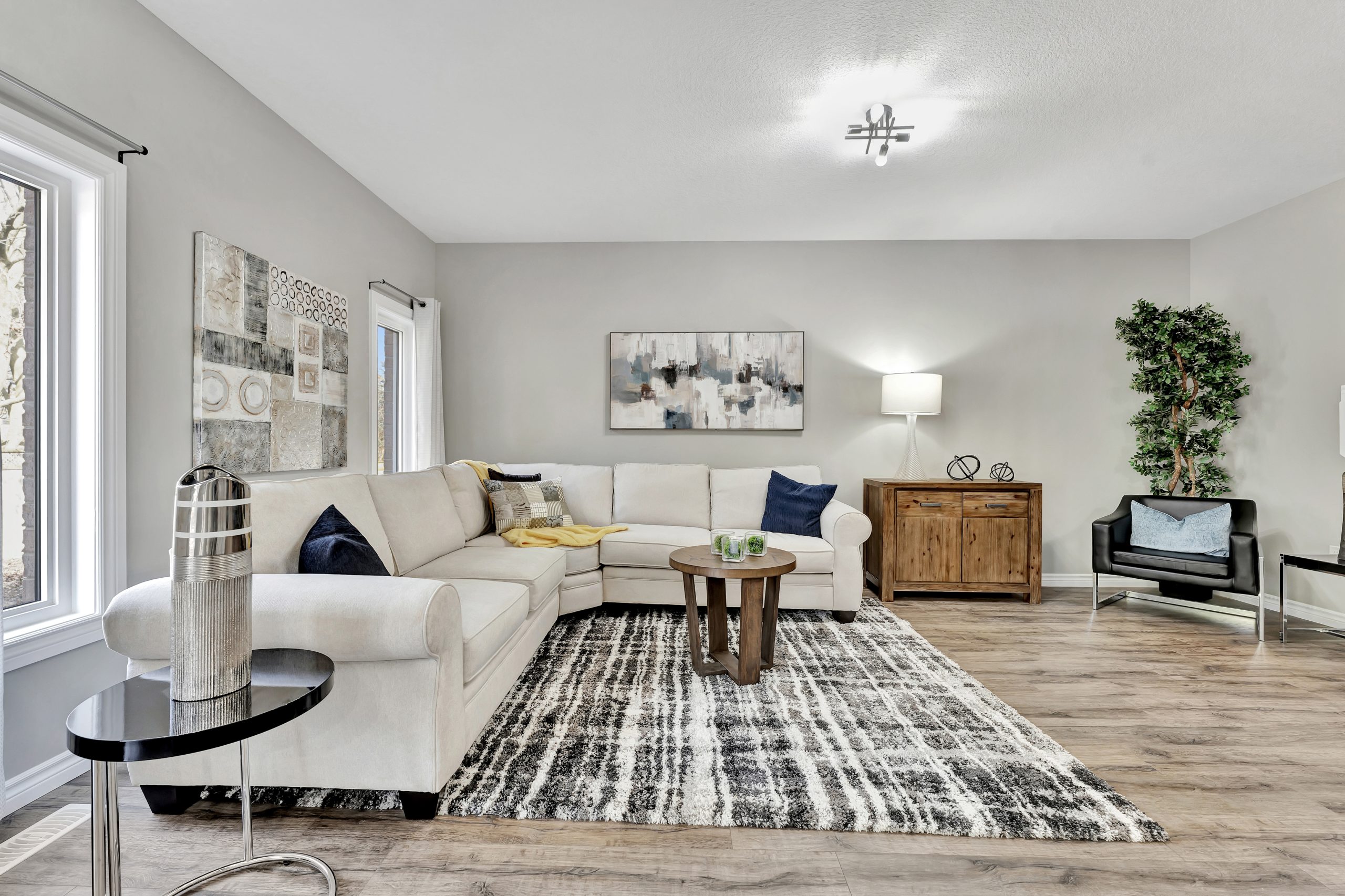
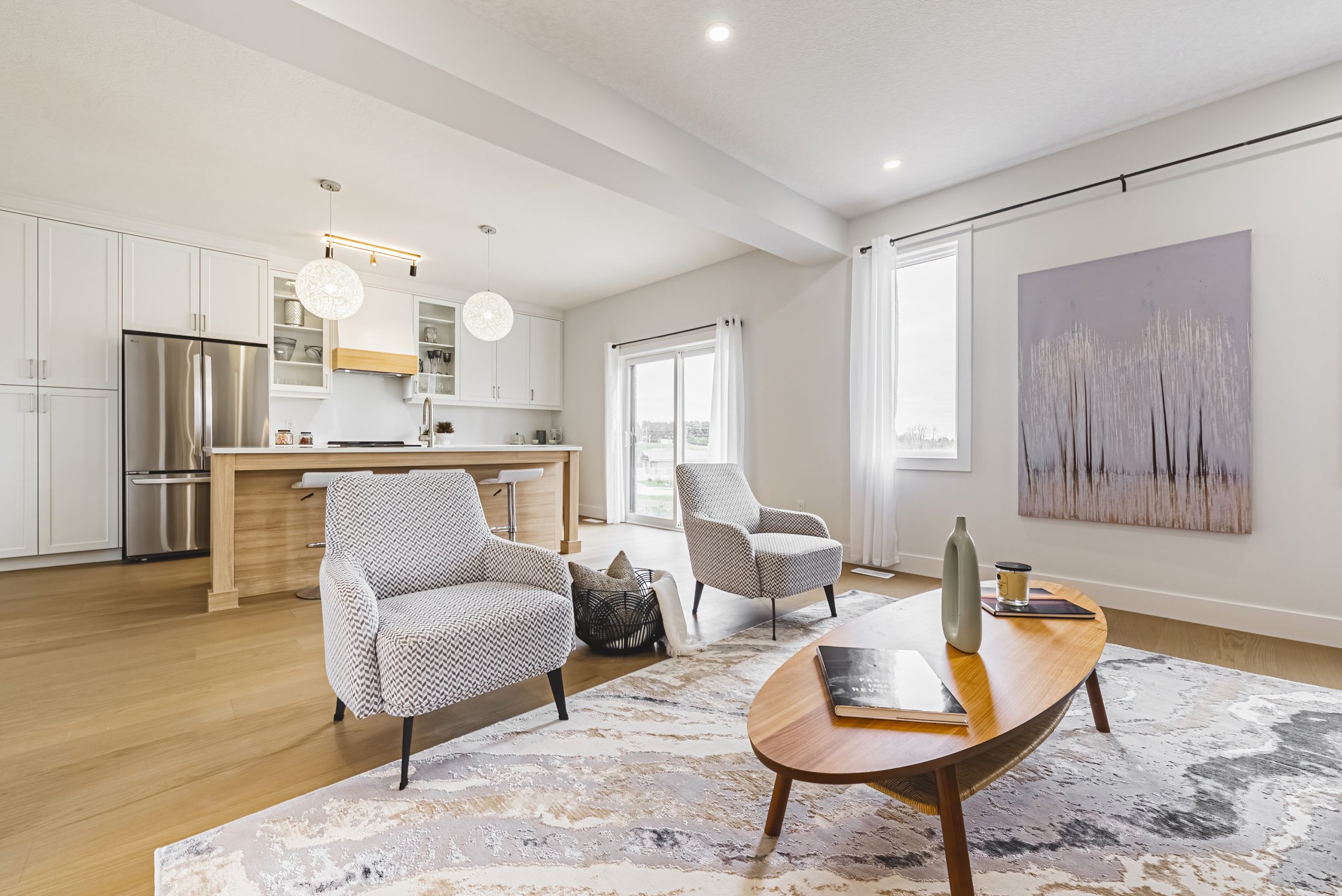
Luxury in 2026 is quieter and more refined. Instead of flashy finishes, buyers are gravitating toward natural materials, thoughtful craftsmanship, and subtle elegance. Warm neutrals, light wood tones, and soft textures create inviting spaces that feel calm and lived-in.

Rounded edges, arches, and softer geometry are also making a comeback, helping interiors feel more comfortable and less rigid.

Personalization Over Perfection

Perfectly styled, “Instagram-ready” homes are giving way to spaces that feel personal and authentic. Homeowners want to showcase their favorite colors, books, art, and hobbies. Design is becoming more about self-expression than trends.

This personalization also extends to cabinetry, with bold choices like green or black cabinets gaining popularity, as well as statement stone backsplashes and flooring.

Wellness Built Into the Home

Wellness is no longer a separate feature—it’s embedded into how homes function. Thoughtful layouts that support mental and physical health, cozy nooks for relaxation, and spaces that encourage connection are all part of this shift.

Even bedroom layouts are evolving, with some homeowners embracing flexible or separate sleeping spaces to improve rest and overall well-being.

Smarter Homes, Not Just More Tech

Technology in 2026 is about solving real problems. Buyers want innovation that makes life easier, not more complicated. High-performance construction, energy efficiency, and durable finishes remain top priorities—especially when paired with comfort and lower monthly utility costs.

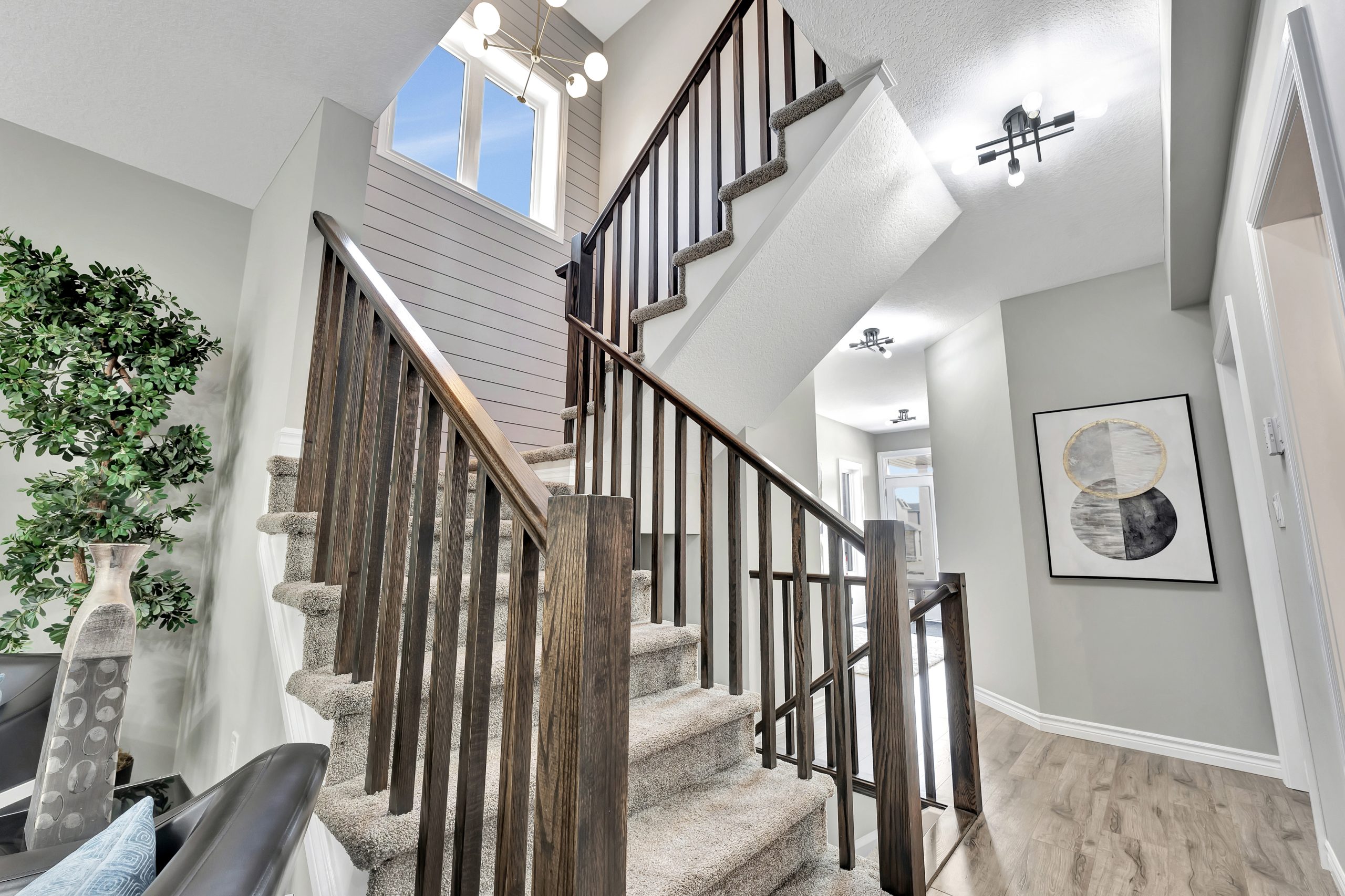
Smart storage solutions are also gaining traction, including floor-to-ceiling cabinetry, built-in drawers, and efficient use of overlooked spaces like under staircases.

Indoor-Outdoor Living, Reimagined

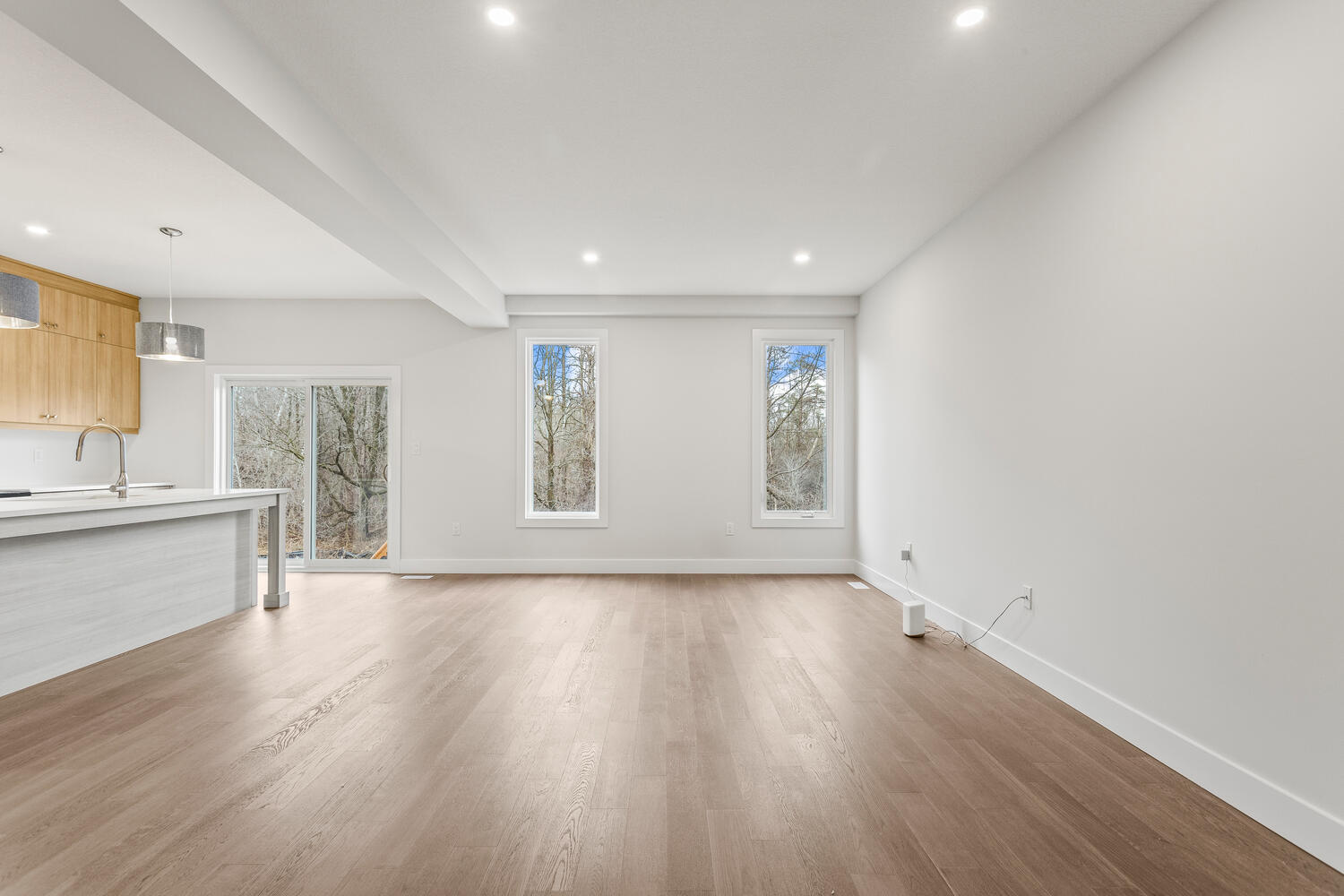
Open layouts that seamlessly connect indoor kitchens and living spaces to outdoor areas are becoming increasingly popular. Rather than simply bringing the outdoors in, homes are now designed to blur the line entirely—creating flexible spaces for entertaining, dining, and family gatherings.

Designed for Every Stage of Life

Universal design is becoming more important as homeowners think long-term. Wider doorways, walk-in showers, and easy-to-use appliances help ensure homes remain comfortable and functional at every stage of life.


At Sunlight Heritage Homes, we believe great design isn’t about trends—it’s about building homes that stand the test of time. The 2026 design outlook reinforces what matters most: thoughtful layouts, quality craftsmanship, and homes designed to support real families, real lives, and real futures.

See a review from one of our wonderful Sunlight Heritage Homes homeowners!

We are thrilled with our new home from Sunlight! We were able to select a wide variety of wonderful customized options to make our home perfect for us and we are very impressed with the attention to detail. Sunlight has been very helpful to us throughout the process of buying our home and settling in.

 ~ Josh & Lindsay
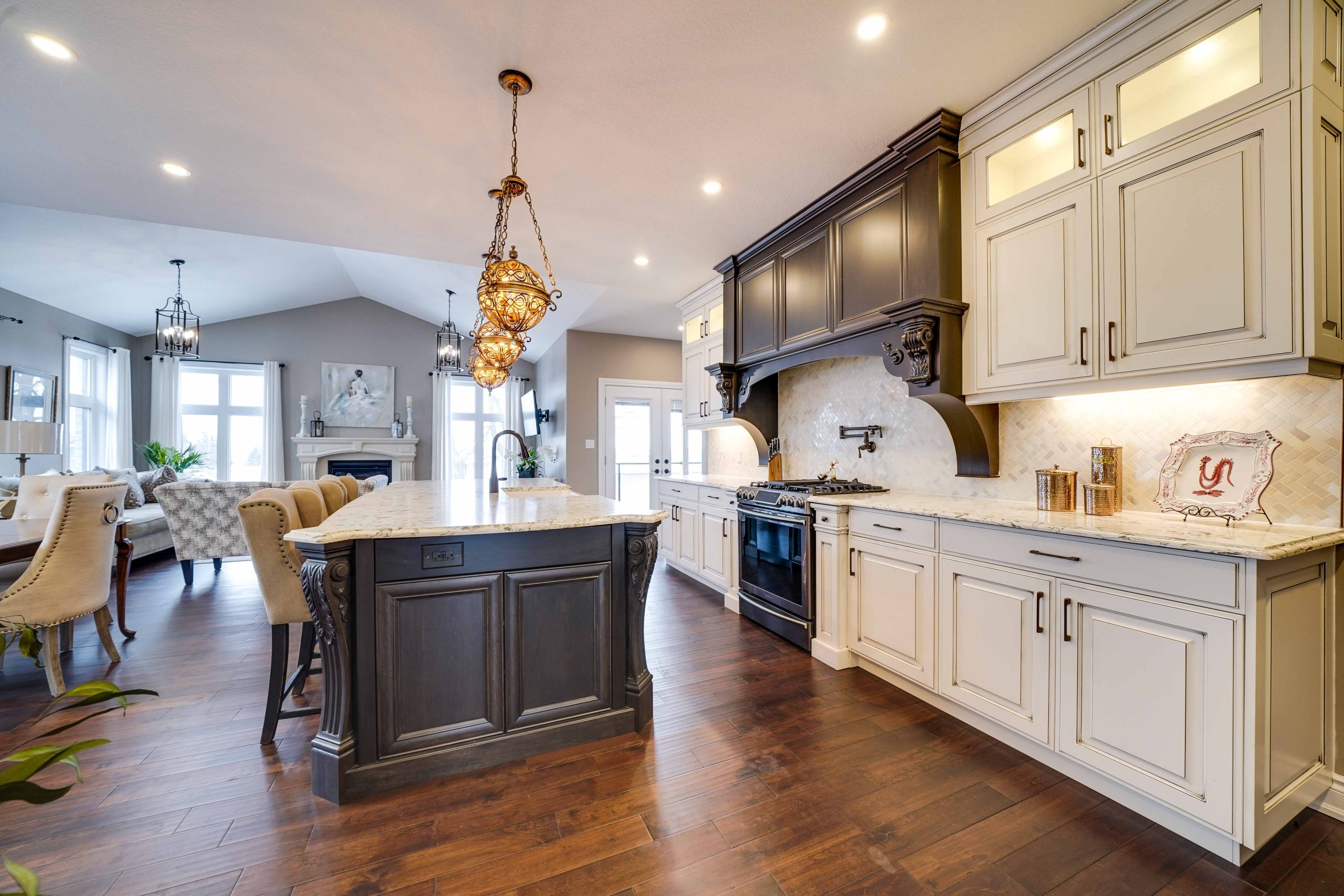
How Modern Kitchens Have Become the Heart of the Home

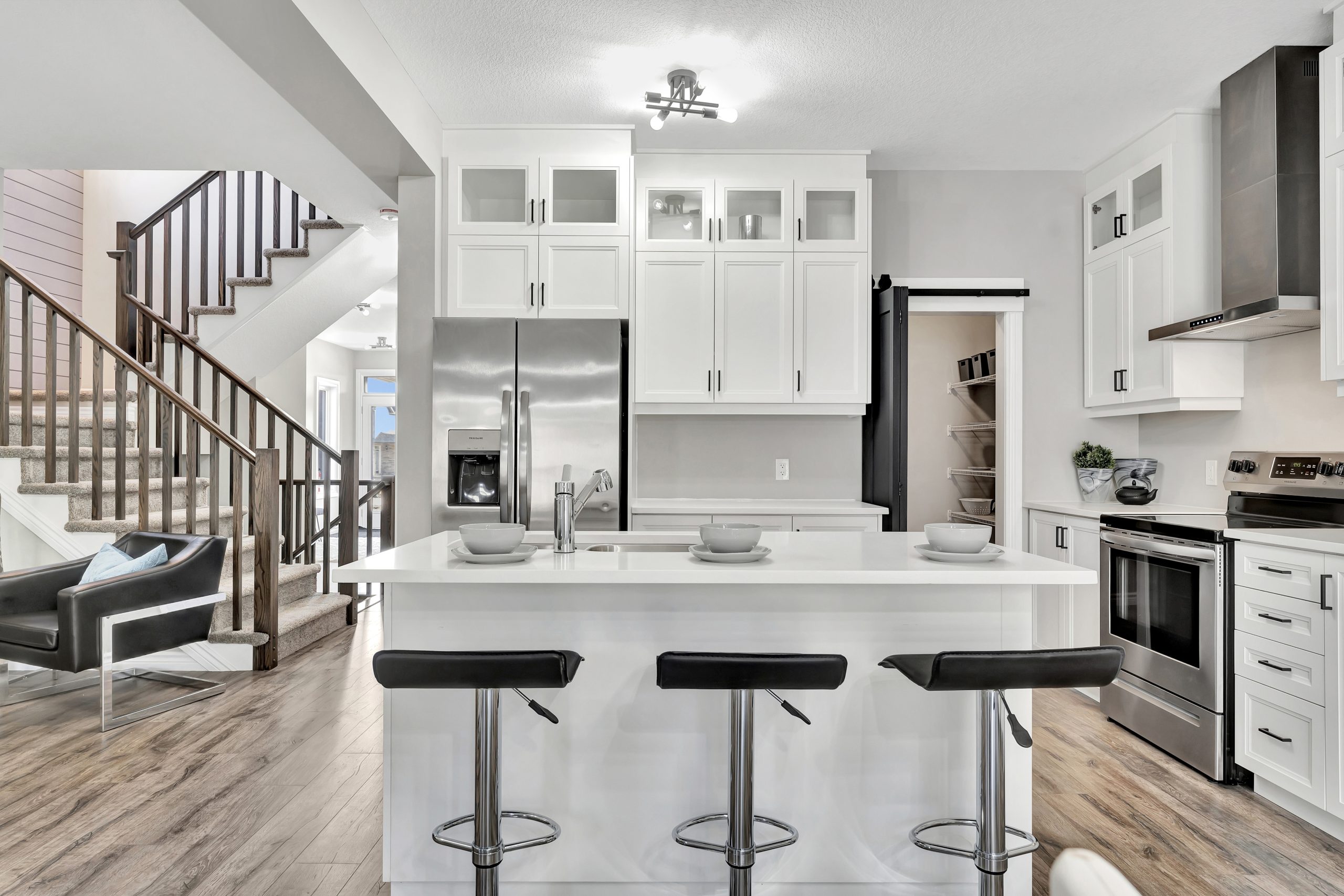
The kitchen has always been an important part of the home, but today, it has become much more than just a place to cook. In modern homes, the kitchen is where life happens. It’s where mornings begin, where conversations happen after long days, where kids do homework, and where family and friends naturally gather.

For many homeowners, the kitchen has become the true heart of the home.

Years ago, kitchens were often separated from the main living areas. They were functional spaces designed primarily for preparing meals. Today, the way families live has changed, and kitchen design has changed with it. Open layouts now connect kitchens to dining and living spaces, creating a more social and connected environment.

This shift allows families to stay together throughout the day. Parents can prepare dinner while helping with homework. Guests can gather around the island during holidays and celebrations. Everyday routines feel less divided because the kitchen becomes part of the larger living experience.

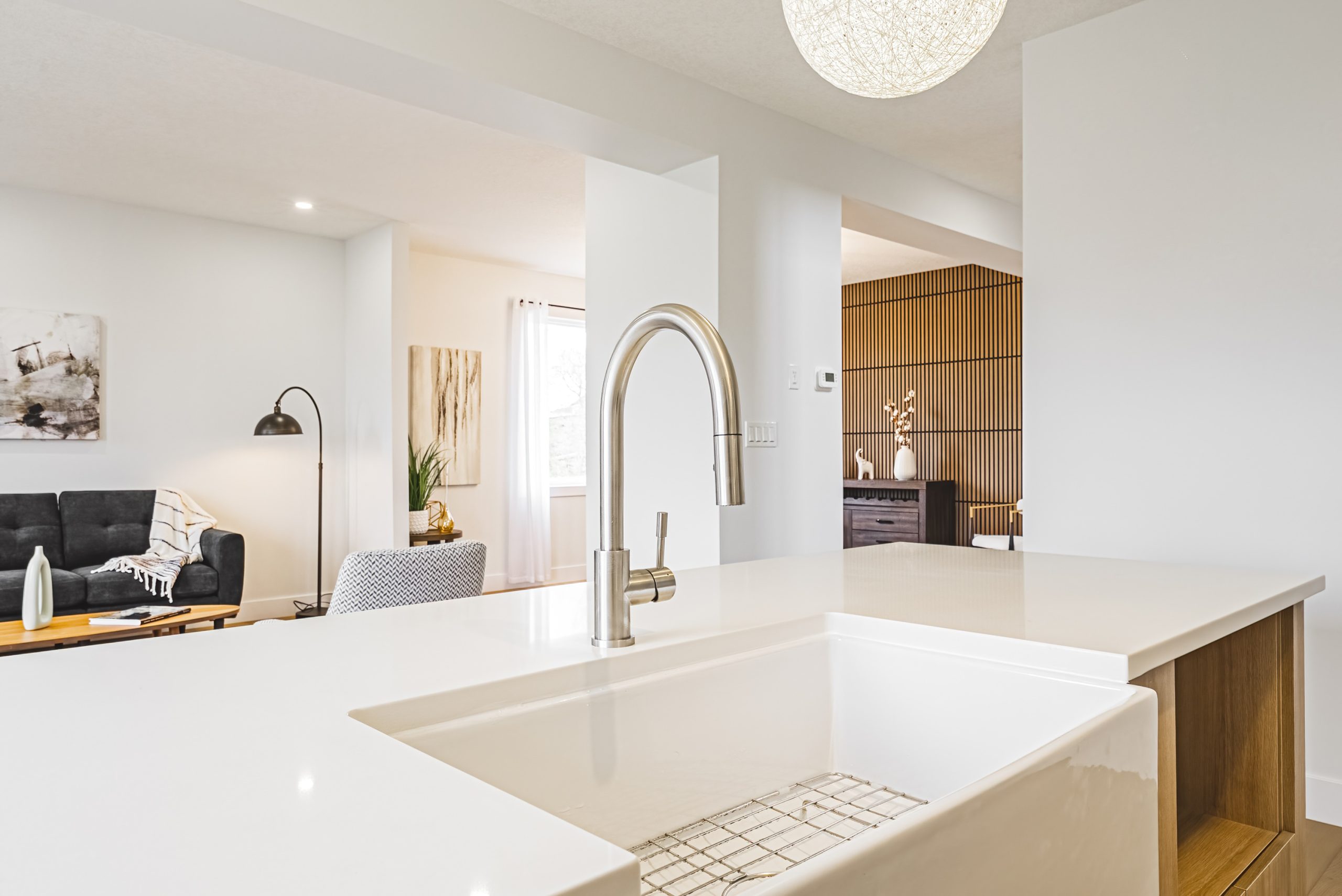
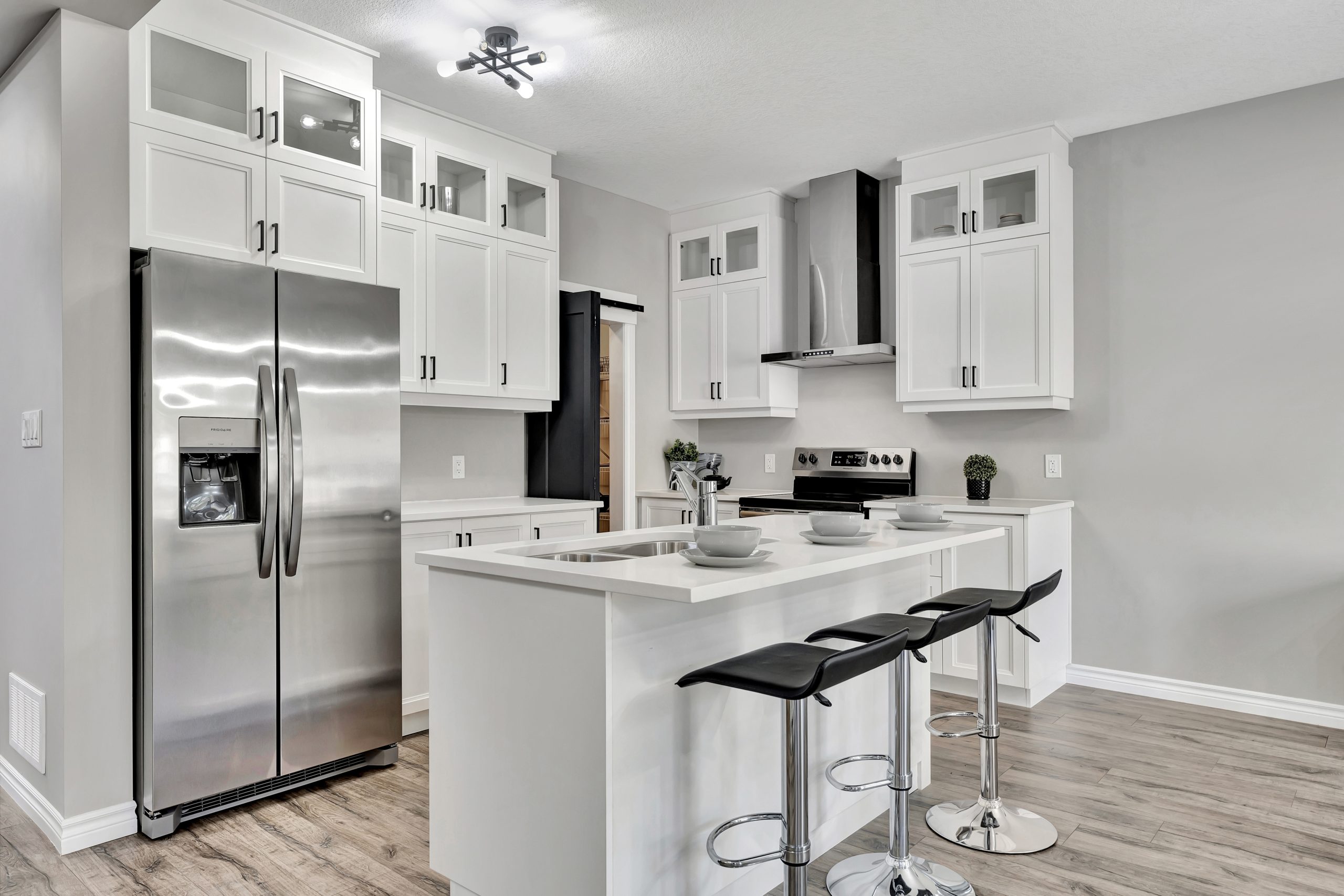
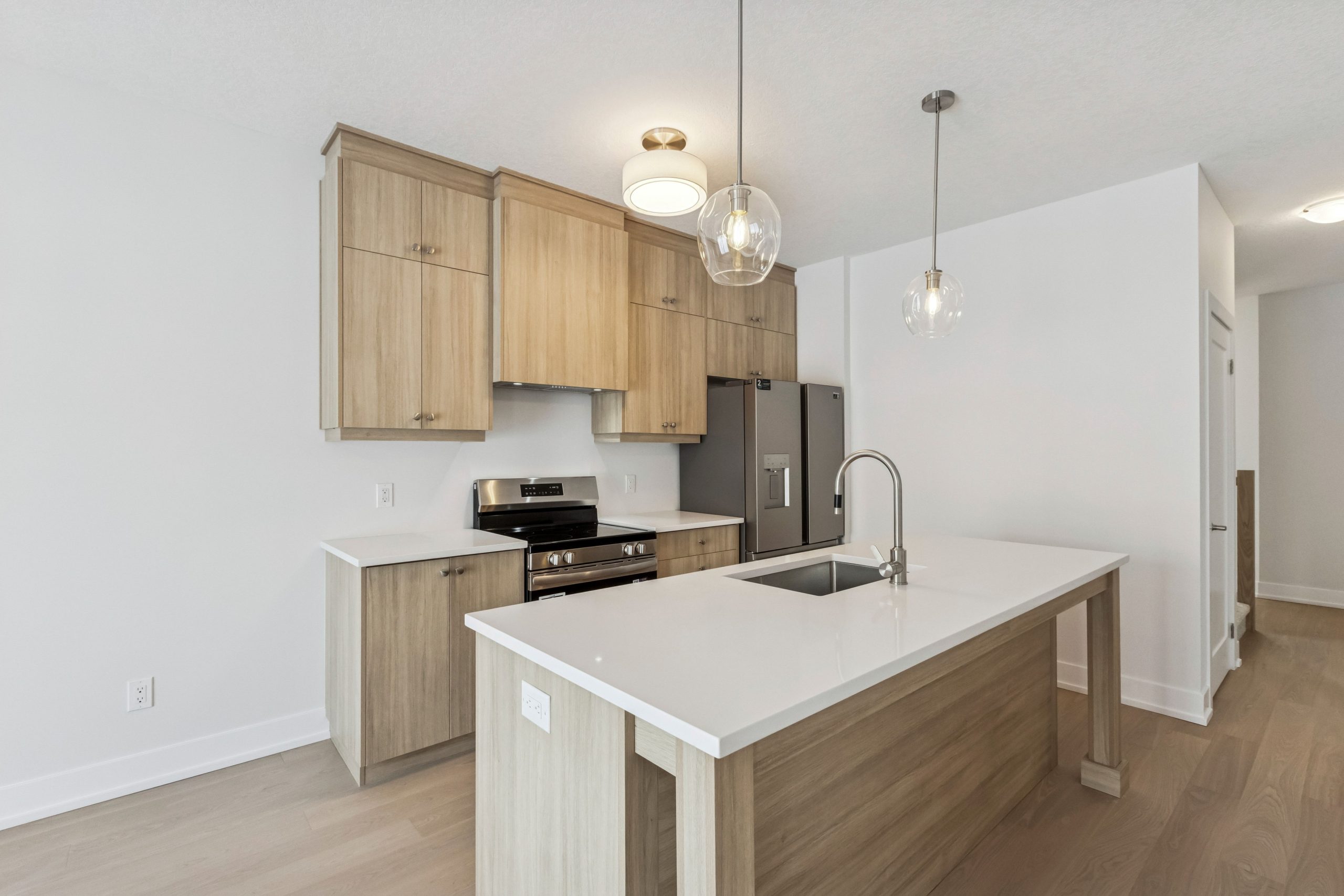
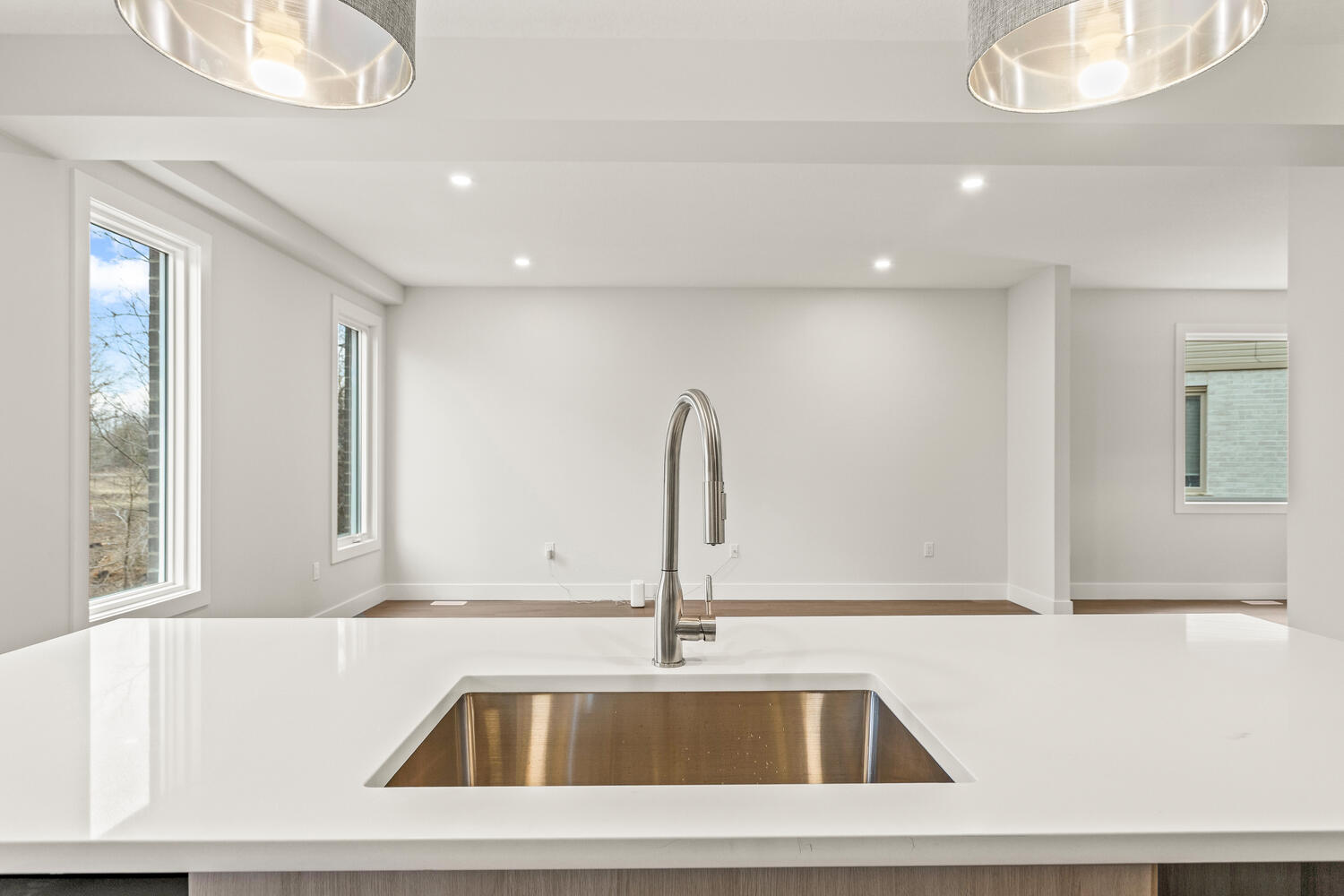
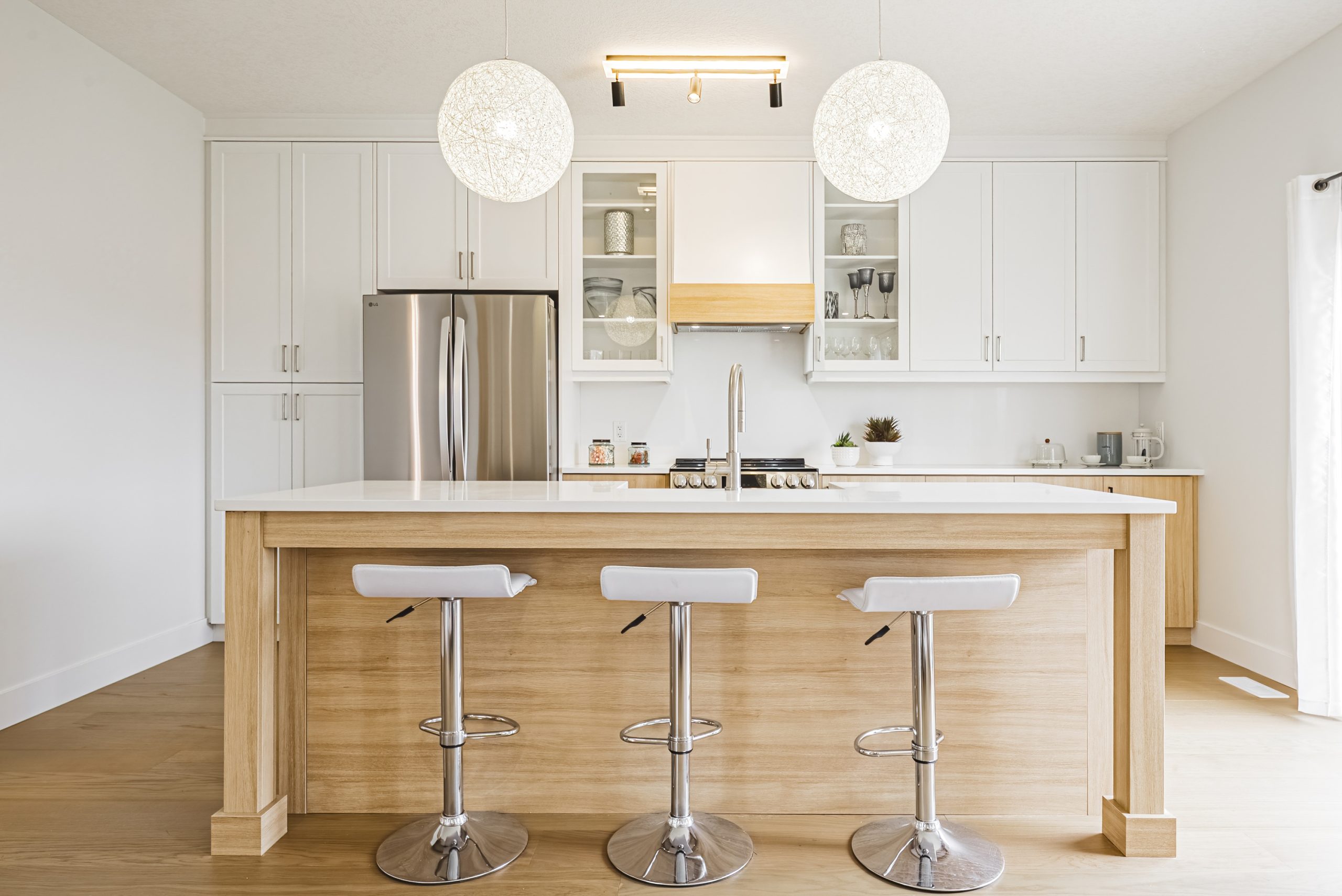
Kitchen islands have become one of the most requested features in new homes for exactly this reason. They create extra prep space, provide seating for casual meals, and often become the most-used surface in the house. Whether it’s morning coffee, school lunches, or late-night conversations, the island often becomes the center of it all.

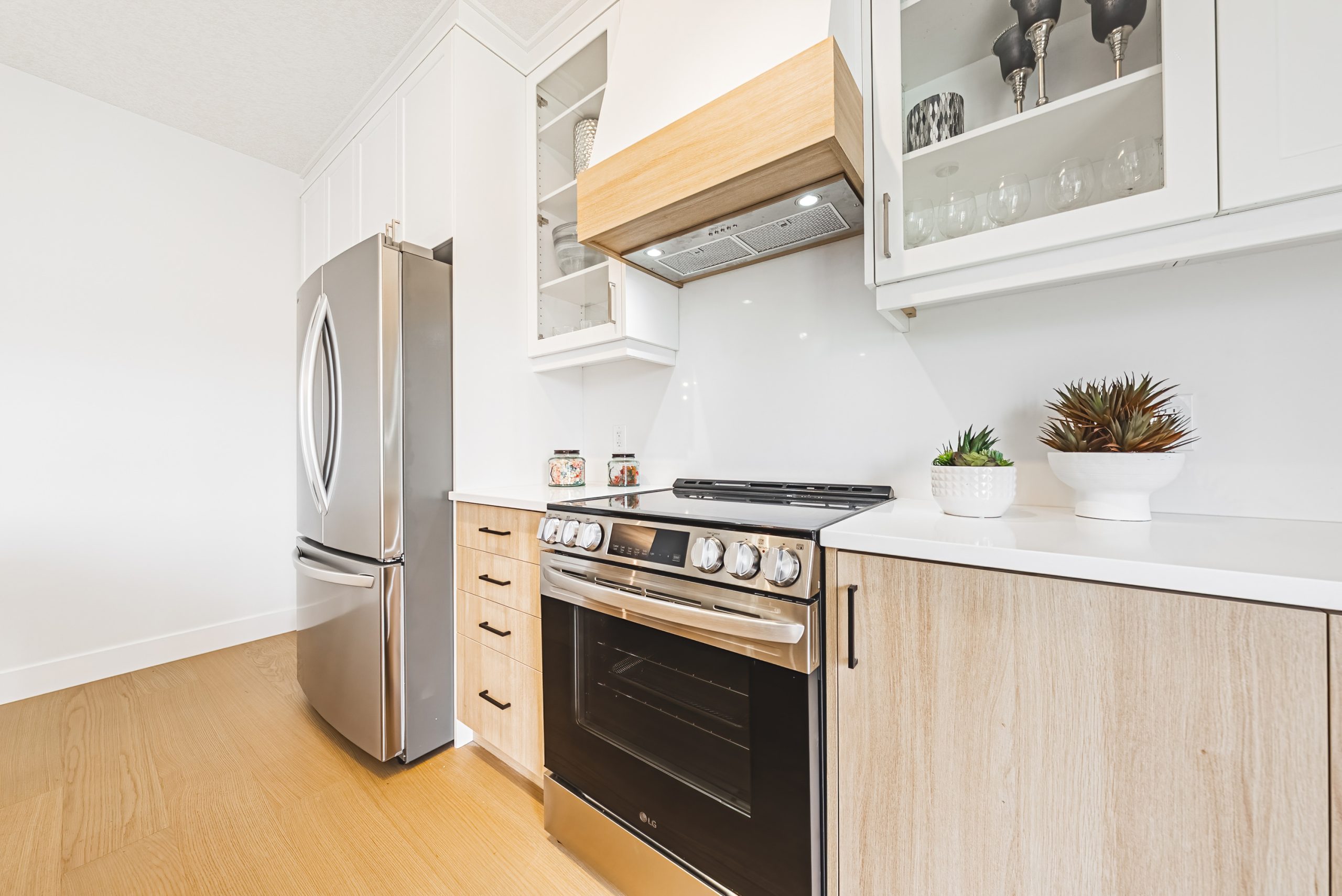
Storage also plays a major role in modern kitchen design. Homeowners want kitchens that feel clean and organized, not cluttered. Walk-in pantries, built-in storage solutions, and functional cabinetry make it easier to keep the space practical without sacrificing style. A well-designed kitchen supports daily life in a way that feels effortless.

Finishes matter too, but today’s buyers are looking for more than appearance. They want durable countertops, thoughtful lighting, and layouts that make movement easy. A beautiful kitchen should also work well under the demands of real family life.

At Sunlight Heritage Homes, we understand that the kitchen is one of the most important spaces in any home. It’s where memories are made and routines are built. That’s why we focus on designing kitchens that are both beautiful and functional — spaces that feel welcoming every single day.

A great kitchen doesn’t just improve a home’s value. It improves how people live. And that’s what makes it the true heart of the home.

Sunlight Testimonials

~ Excellent Service, very professional and clear explanation of everything. Thank you so much for everything.

 N. Gosal

To learn more about our thoughtfully designed homes and communities, visit www.sunlighthomes.ca today.

What Makes a House Feel Like Home From Day One

There’s a moment when you walk into a home and something just feels right. It’s hard to describe, but you know it immediately. The space feels comfortable, welcoming, and easy to imagine yourself living in. That feeling doesn’t happen by accident — it comes from thoughtful design and quality craftsmanship working together.

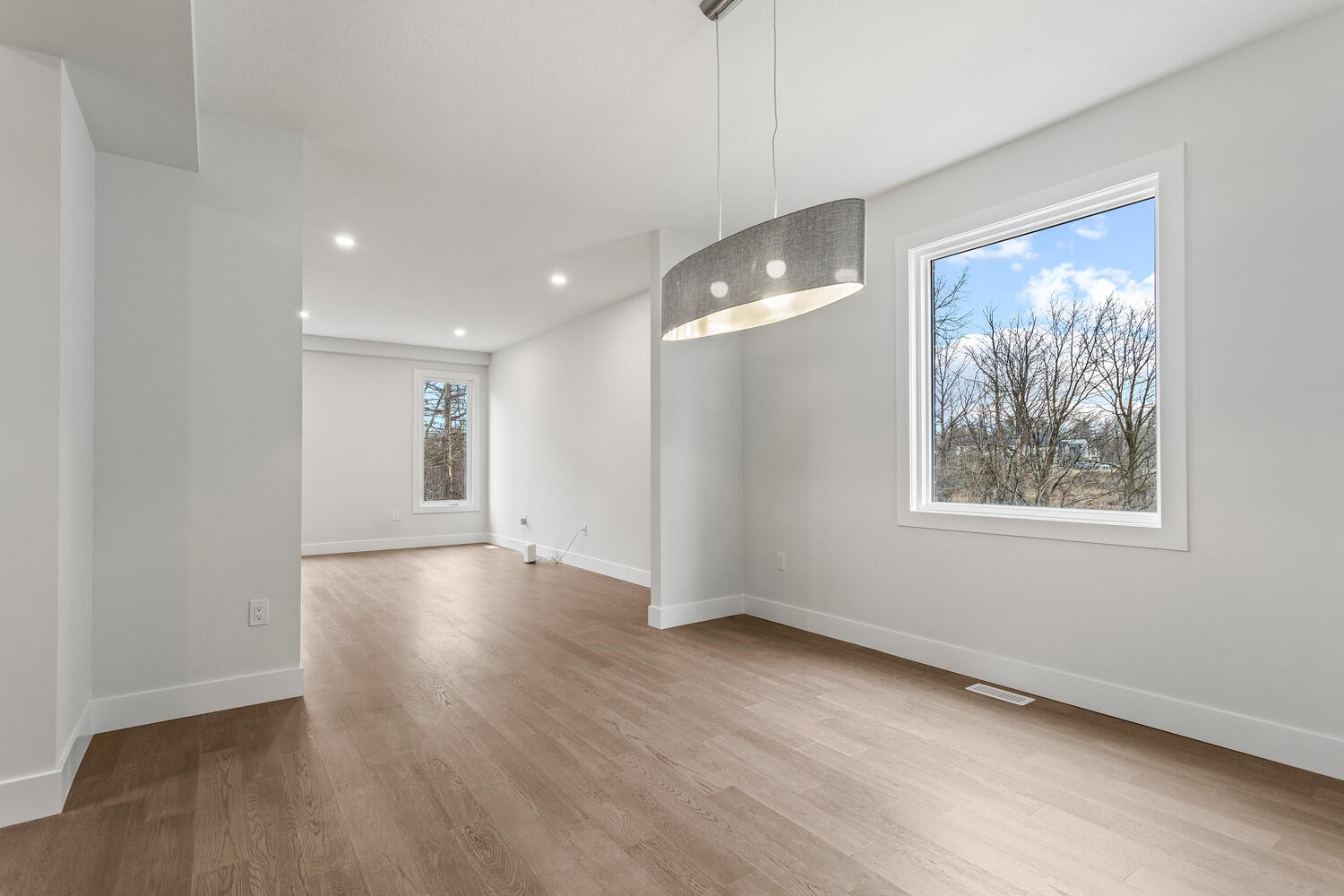
Natural light plays a big role in creating that first impression. Bright spaces feel warmer and more inviting, helping rooms feel larger and more comfortable. When sunlight fills a home, it creates an atmosphere that instantly feels positive and calming. Combined with clean lines and balanced layouts, the result is a home that feels fresh and ready for new memories.

Comfort also comes from functionality. A home that flows well, offers practical storage, and supports everyday routines naturally feels easier to live in. Small details like where you set your keys, how the kitchen connects to living spaces, or how private bedrooms feel all contribute to that sense of belonging.

Quality finishes add another layer to the experience. When materials are chosen thoughtfully and installed with care, homeowners notice the difference. Doors close properly, cabinets feel solid, and spaces feel complete rather than temporary.

At Sunlight Heritage Homes, we believe a home should feel right from the moment you step inside. It should feel comfortable, practical, and ready for life’s next chapter. That sense of ease is what helps homeowners settle in quickly and truly enjoy their space from day one.

Sunlight Testimonials

~ It’s a great experience to visit the design centre. Designer Lilly helped alot in the selection of material and colours with her great knowledge of designs and the design centre.

 Muhammad Ata

What Buyers Wish They Knew Before Purchasing a Home

Buying a home is exciting, but many buyers look back and realize there are things they wish they had considered earlier. Often, it’s not about finishes or colours — it’s about how the home actually works for their lifestyle.

Layout, storage, and future needs often become more important after move-in. Buyers sometimes focus heavily on appearance without fully considering how daily routines will fit within the space. Thinking ahead about family growth, work-from-home needs, and long-term comfort can make a big difference.

Choosing a builder you trust is another important lesson many homeowners mention. Clear communication, quality craftsmanship, and a supportive process can turn what might feel stressful into something enjoyable.

At Sunlight Heritage Homes, we guide buyers through the process with experience and care, helping them make decisions they’ll feel good about for years to come.

Sunlight Testimonial

~ We just wanted to send “Uncle Wilson” and the Sunlight Heritage Homes employees a big Thank You for making our first home purchase an amazing experience. Our son Mateo gravitated to Wilson right away and even started calling him “uncle” during our walk through. What a sweet little surprise for our little boy to see these Cat Construction toys sitting on the counter when we walked into our beautiful new home! Thank you so much!

 Randal, Victoria & Mateo Garcia

Why Natural Light Is One of the Most Important Features in a Home

Natural light has a powerful impact on how a home feels. Bright spaces tend to feel larger, warmer, and more welcoming. They also influence mood and comfort, creating environments where people naturally want to spend time.

Homes with larger windows and thoughtful placement of living spaces allow sunlight to flow throughout the day. This makes rooms feel more open and connected to the outdoors, even during colder months. Natural light can also reduce the need for artificial lighting, helping homes feel more energy-efficient and comfortable.

Beyond aesthetics, sunlight plays a role in daily well-being. Bright interiors often feel more uplifting and energizing, which is why buyers consistently prioritize natural light when choosing a home.

At Sunlight Heritage Homes, we design homes to maximize brightness and openness, creating spaces that feel inviting from morning to evening.

Sunlight Testimonials

~ Thank you so much for your fast reply. Yes Sir,we are very happy with the house,of course there are some minor details that could be easily fixed.Long story short,we are very happy here and we are enjoying every moment spent in this beautiful house.Thank you Wilson!

 Dan Parau

How New Homes Are Designed for Today’s Busy Families

Family life has changed significantly over the past decade, and the way homes are designed has changed along with it. Today’s families need spaces that are flexible, functional, and able to keep up with busy schedules. Modern home design reflects this shift by focusing on practicality without sacrificing comfort.

Kitchens have become central gathering spaces where meals, homework, and conversations happen all at once. Open layouts help families stay connected while still allowing each person to have their own space. Storage solutions, mudrooms, and flexible rooms help keep everyday life organized and manageable.

Many families also need adaptable spaces for working from home or hosting guests. Homes designed with flexibility in mind allow rooms to serve multiple purposes as needs change over time. This reduces the need for future renovations and helps homeowners feel confident their home will grow with them.

At Sunlight Heritage Homes, we design with real families in mind. Our goal is to create homes that support daily routines, simplify busy lives, and provide comfort at every stage.

Sunlight Testimonials

~ Thank you very much. I drive by every weekend with a big smile on my face I can’t wait to move in 🙂

 Owen & Bertha

The Long-Term Value of Building New in a Growing Community

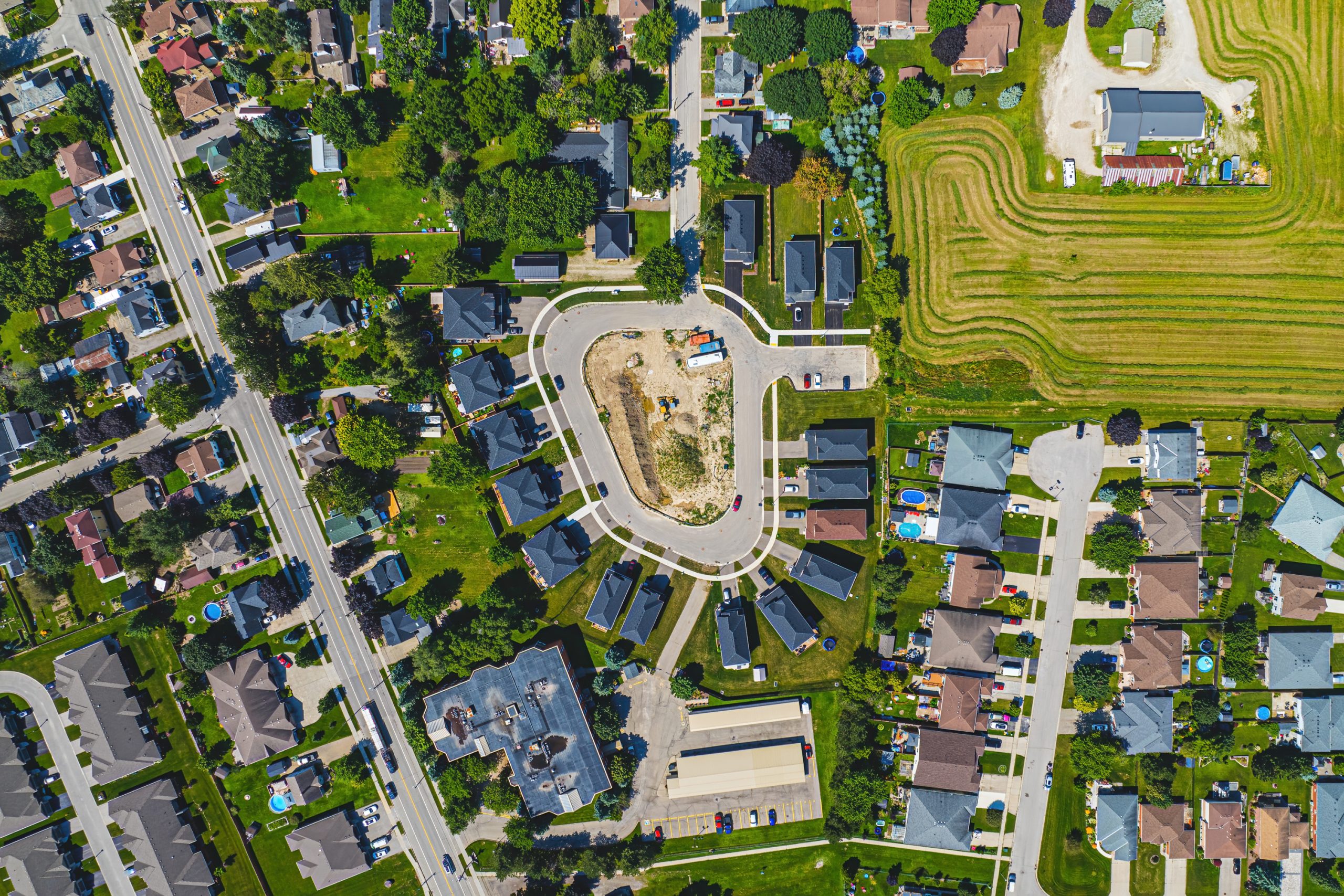
Choosing where to live is just as important as choosing the home itself. More buyers today are discovering the benefits of building in growing communities where new neighbourhoods are designed with modern living in mind. These areas often offer a unique balance of comfort, opportunity, and long-term value.

Growing communities tend to attract new amenities, schools, parks, and local businesses. As the area develops, homeowners often benefit from improved infrastructure and a stronger sense of neighbourhood identity. Buying early in a growing community can mean becoming part of something that continues to improve over time.

Newer neighbourhoods are also designed for today’s lifestyles. Streets feel more open, homes are built with modern layouts, and community planning often includes spaces for walking, recreation, and family activities. This creates a lifestyle that feels connected and welcoming.

From a financial perspective, buying in a developing area can provide long-term confidence. As communities grow and demand increases, homeowners may see added value in their investment while enjoying the benefits of living in a newer, well-planned environment.

At Sunlight Heritage Homes, we carefully choose communities where families can thrive now and into the future. We believe a home should not only meet your needs today but also support your long-term lifestyle and goals.

How a Well-Designed Floor Plan Changes the Way You Live

When people begin looking for a new home, they often focus on square footage. Bigger can seem better at first glance. But experienced homeowners know that the true comfort of a home comes from how it’s designed, not just how large it is. A well-planned floor plan can make a home feel more spacious, more organized, and easier to live in every single day.

The way rooms connect matters. A thoughtful layout creates natural flow between the kitchen, dining, and living spaces, allowing families to stay connected while still having room to breathe. Parents can cook while keeping an eye on children, guests can gather comfortably, and everyday routines feel smoother without tight or awkward spaces.

Storage is another area where layout plays a huge role. Homes that include practical storage solutions help reduce clutter and make daily living less stressful. When everything has a place, the home feels calmer and more organized. This isn’t about adding more rooms — it’s about designing spaces that truly support how people live.

Modern floor plans also consider flexibility. Many homeowners today need spaces that can adapt over time, whether that means a home office, a guest room, or a play area that eventually becomes a study space. A smart design allows a home to grow with a family rather than forcing constant changes or renovations.

At Sunlight Heritage Homes, we focus on layouts that make life easier. A home should feel natural to move through, comfortable to live in, and welcoming for both everyday moments and special occasions. When the floor plan works well, homeowners notice it in small ways every day — from easier mornings to more relaxed evenings — and that’s what truly turns a house into a home.

Why Buying a New Home Is Less Stressful Than Renovating

Many homebuyers start their search thinking a resale home with renovation potential might be the best path. On paper, it can sound exciting — finding a house with “good bones” and transforming it into something that feels new again. But what many homeowners quickly discover is that renovations often come with more stress, time, and unexpected costs than they anticipated.

Renovating means living in a constant state of uncertainty. Budgets can shift once walls are opened, timelines can stretch longer than expected, and everyday life often becomes disrupted by dust, noise, and ongoing decisions. Even smaller projects tend to grow once hidden issues are uncovered, turning what seemed manageable into something overwhelming. For families balancing work, school schedules, and daily responsibilities, the added stress can take away from the excitement of owning a home.

Buying a new home offers a completely different experience. Instead of planning renovations, coordinating trades, or waiting for projects to finish, homeowners can focus on settling in and enjoying their space from day one. Everything is designed to work together, from layout and storage to finishes and functionality. There’s no guessing what needs updating or worrying about older systems that may require repairs shortly after moving in.

A new home also brings peace of mind. Mechanical systems, materials, and construction methods are modern and efficient, meaning fewer surprises and lower maintenance during those first important years of ownership. For many buyers, this predictability is one of the biggest benefits. They know what they’re getting, and they can plan their finances and lifestyle with confidence.

At Sunlight Heritage Homes, we see families choose new construction because they want to start fresh without the uncertainty of renovations. Building new allows buyers to enjoy a home designed for modern living — one that feels comfortable, functional, and ready for real life. Instead of spending weekends managing projects, homeowners can spend that time making memories in a space that already feels complete.

Why More Families Are Choosing Smaller Communities Over Big Cities

More families are starting to look beyond big cities when choosing where to live — and it’s no longer about compromise. For many buyers, moving to a smaller community is a deliberate lifestyle choice focused on space, value, and quality of life.

Photo by Marcin Skalij on Unsplash

One of the biggest reasons behind this shift is space. Smaller communities often allow families to enjoy larger homes, better layouts, and more usable outdoor areas. Instead of feeling cramped, homeowners can spread out and live more comfortably, which makes a real difference for growing families and those working from home.

Affordability is another major factor. While housing prices have risen everywhere, buyers in smaller communities often find they can get a newer home with modern finishes and thoughtful design for the same budget — or less — than an older resale home in a major city. That added value helps reduce financial stress and creates more long-term confidence.

There’s also the sense of community that many people are looking for. Smaller towns tend to offer quieter streets, less traffic, and a stronger feeling of connection. Neighbours know each other, kids can play safely outside, and local businesses become part of everyday life. It’s a pace that feels more balanced and family-friendly.

Changing work patterns have made this move even easier. With more people working remotely or on flexible schedules, living close to a downtown core isn’t as necessary as it once was. Families can choose where they want to live, not just where they have to commute from.

Ultimately, buyers are rethinking what “home” really means. They want comfort, space, and a lifestyle that feels manageable and rewarding — not rushed or overcrowded.

At Sunlight Heritage Homes, we build in communities where families can enjoy that balance. Our homes are designed for real life, with modern layouts, quality craftsmanship, and neighbourhoods people are proud to call home.

To learn more about our homes and communities, visit www.sunlighthomes.ca or book a tour today.

New Build vs. Resale: Which One Makes More Sense in Today’s Market?

If you’re shopping for a home right now, you’re likely facing one of the biggest decisions buyers make: should you purchase a resale home or build new?

On the surface, a resale home can seem appealing. It may be in an established neighborhood, have mature trees, or appear less expensive at first glance. A new build, on the other hand, may feel like a bigger commitment upfront. But when buyers look beyond the listing price and consider the full picture, many discover that a new home often offers more long-term value, predictability, and peace of mind.

Understanding the true differences between resale and new construction can help you make a confident decision that fits your lifestyle and your budget.

One of the most important differences comes down to condition. When you buy a resale home, you’re purchasing a property that has already lived a life. Even a well-maintained home has aging systems, materials, and components that will eventually need attention. Furnaces, air conditioners, roofs, windows, plumbing, and electrical systems all have a lifespan. While a home inspection can identify visible issues, it can’t always predict when something will fail. Many homeowners find themselves facing major repair costs within the first few years after moving in.

With a new home, everything starts fresh. Mechanical systems, finishes, and structural components are brand new and built to current standards. That means fewer surprises and less worry about unexpected repairs right after closing. For many buyers, that predictability alone is a major advantage.

Another key factor is layout and functionality. Older homes were designed for a different way of living. Smaller kitchens, limited storage, closed-off rooms, and tight hallways can make a home feel cramped by today’s standards. While renovations can help, they often come with high costs, time delays, and stress. What starts as a simple update can quickly turn into a major project once walls are opened and hidden issues are discovered.

New homes are designed with modern lifestyles in mind. Open yet defined living spaces, larger kitchens, better storage, functional mudrooms, and flexible rooms that adapt to work-from-home or growing families are now the standard. Instead of trying to make an older layout work, buyers can move into a home that already fits how they live today.

Energy efficiency is another area where the difference becomes noticeable over time. Many resale homes were built before energy efficiency was a priority, which can lead to higher heating and cooling costs. Drafty windows, older insulation, and less efficient systems often mean higher utility bills and inconsistent comfort throughout the year.

New homes are built with modern insulation, better air sealing, efficient heating and cooling systems, and updated windows and doors. These features may not be as visible as a new kitchen or flooring, but they make a real difference every month. A more energy-efficient home isn’t just better for comfort — it can also help reduce long-term operating costs.

Maintenance is another consideration that’s easy to underestimate. Older homes typically require more upkeep, from repairs and replacements to cosmetic updates just to keep the home feeling fresh. Decks, driveways, roofs, windows, and landscaping may all need attention sooner than expected. These ongoing costs can add up over time and take away from the enjoyment of the home.

A new build allows homeowners to enjoy their space without constantly planning the next repair or upgrade. While every home requires maintenance eventually, newer construction generally offers a longer period of low-maintenance living, which is especially appealing for busy families and professionals.

Photo by Josue Michel on Unsplash

There’s also the emotional side of the decision. Buying a resale home often means living through renovations, contractor schedules, dust, noise, and budget overruns. Even small projects can disrupt daily life and create stress. Many buyers underestimate how draining it can be to renovate while living in the home.

With a new home, you get the benefit of move-in-ready living. You can unpack, settle in, and start enjoying your space immediately. There’s no waiting for the “next phase” of updates before the home feels right.

Cost predictability plays a big role as well. While resale homes may have a lower purchase price in some cases, renovation costs, repairs, and upgrades can quickly close the gap — and often exceed it. New builds provide clearer expectations upfront. Buyers know what’s included, what upgrades cost, and what to expect before they move in. That clarity helps families budget more confidently.

So which option makes more sense? The answer depends on your priorities. Some buyers value the charm and character of older homes, while others prefer the efficiency, comfort, and simplicity of something brand new. But for buyers who want fewer surprises, modern layouts, better energy performance, and a home that’s ready from day one, building new can be the smarter long-term choice.

At Sunlight Heritage Homes, we believe a home should make life easier — not more stressful. That’s why we focus on thoughtful design, quality construction, and homes that are built for real life today. When you build new, you’re not just buying a house. You’re investing in comfort, confidence, and peace of mind.

If you’re weighing your options and want to learn more about building new, we’d be happy to help. Visit www.sunlighthomes.ca to explore our homes, learn more about our process, or book a tour.